
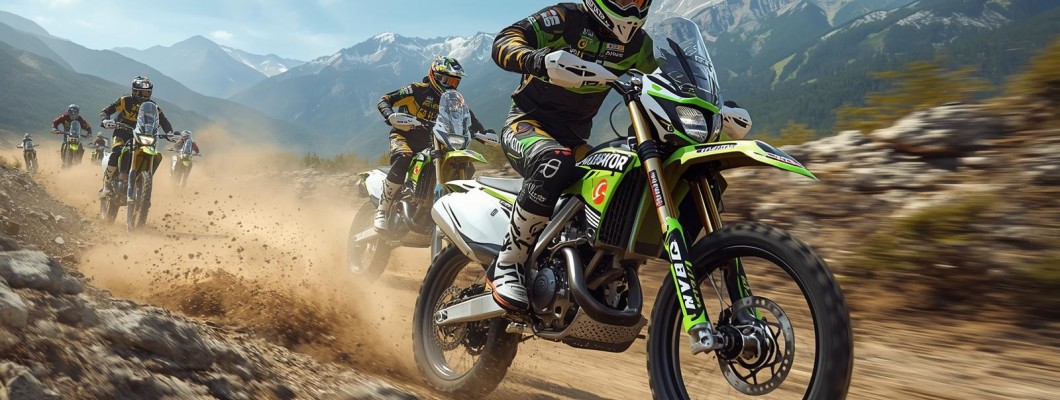
Entering the world of enduro riding can be both exciting and overwhelming. Unlike street motorcycles, enduro bikes must be prepared to handle unpredictable terrain, sudden impacts and constantly changing conditions. For beginners, understanding how to properly set up an enduro motorcycle is one of the most important steps toward riding safely and confidently.
This guide outlines the essential protection parts, control upgrades and must-have modifications that every new rider should consider. A well-prepared motorcycle not only performs better but also reduces the risk of damage and allows the rider to focus on developing skills.
1. Start With Essential Protection Components
Enduro terrain exposes the motorcycle to rocks, roots, logs and sharp debris. Without proper protection, critical components can suffer damage early on. For beginners, the following upgrades are absolutely essential.
Skid Plate
A durable skid plate protects the crankcase, frame rails and lower engine area from direct hits. Aluminum skid plates offer the best resistance for rocky environments and should be one of the first additions to a beginner’s bike.
Radiator Guards
Radiators are positioned in a vulnerable location and can easily bend or leak after a fall. Radiator guards reinforce the brackets and prevent damage from side impacts and debris.
Handguards
Closed-hand handguards protect the rider’s hands and prevent brake or clutch levers from snapping during a fall. For tight wooded trails, they are indispensable.
Chain Guide and Disc Guard
A reinforced chain guide keeps the chain aligned in rough terrain, while a rear disc guard shields the brake disc from rocks and impacts.
These protective components significantly reduce the likelihood of mechanical failure during early riding experiences.
2. Improve Control Points for Better Handling
Beginners often struggle with balance, throttle control and proper body positioning. Upgrading control points can make learning easier and create a more predictable riding feel.
CNC Foot Pegs
Wider CNC foot pegs with aggressive grip surfaces provide better stability and control in standing position, which is essential for correct enduro technique. They help new riders maintain balance over uneven terrain.
Handlebar Setup
Proper handlebar height and sweep are crucial for comfort and control. Many beginners benefit from adjusting bar risers or choosing handlebars that support natural standing posture.
Clutch and Brake Lever Adjustments
Setting lever positions correctly ensures easier modulation and reduces hand fatigue. Adjustable levers are recommended for beginners who spend long periods practicing low-speed maneuvers.
Grips
Soft or medium-compound grips reduce vibration and improve overall comfort. Beginners typically prefer grips that allow confident throttle control without excessive hand strain.
3. Must-Have Mods to Enhance Performance and Reliability
These modifications help new riders maintain consistent performance and prevent avoidable problems on the trail.
Cooling Fan Kit
Slow-speed practice sessions on steep or technical terrain can cause the bike to overheat. Installing a cooling fan maintains stable engine temperatures and prevents heat-related issues.
Jetting or Fuel Mapping Adjustments
A smooth and predictable power delivery is crucial for beginners. Proper jetting on carbureted bikes or correct mapping on fuel-injected models improves throttle control and prevents stalling.
Tire Choice and Pressure
Enduro tires with soft compounds and aggressive tread patterns offer better traction on dirt, rocks and mud. Lower pressures increase grip but must be balanced with the risk of pinch flats.
Suspension Setup
Even beginners benefit from correctly adjusted sag, rebound and compression settings. Factory settings are often too firm or too soft for individual riders, and small adjustments can dramatically improve confidence.
4. Keep Maintenance Simple and Consistent
A well-maintained motorcycle is easier to control and far more reliable. New riders should develop a simple maintenance routine:
Clean air filter regularly
Check coolant and oil levels
Inspect chain tension and lubrication
Examine bolts and fasteners for loosening
Clean radiator fins to maintain airflow
Proper maintenance reduces breakdowns and increases riding time — something every beginner needs.
5. Why a Beginner-Friendly Setup Matters
Enduro riding is a skill-intensive discipline. Riders who start with a poorly set up motorcycle often struggle unnecessarily, lose confidence or damage components early. A properly prepared bike does three important things:
Improves rider safety
Builds confidence faster
Allows focus on technique instead of avoiding damage
Beginners who invest in protection parts, ergonomic adjustments and basic performance mods are able to progress more smoothly and enjoy the learning process.
Conclusion
Setting up an enduro bike correctly is one of the best ways for beginners to accelerate their riding development. Protection components like skid plates, radiator guards and handguards prevent costly damage. Control upgrades such as CNC foot pegs and proper handlebar adjustments improve handling. Must-have modifications including cooling fans, correct fuel mapping and suitable tires create a more predictable and manageable motorcycle.
A beginner-friendly setup does not require extreme modifications—only smart choices that enhance reliability, comfort and safety. With the right foundation, new riders can focus on building skills, exploring trails and enjoying the true spirit of enduro riding.
Leave a Comment