
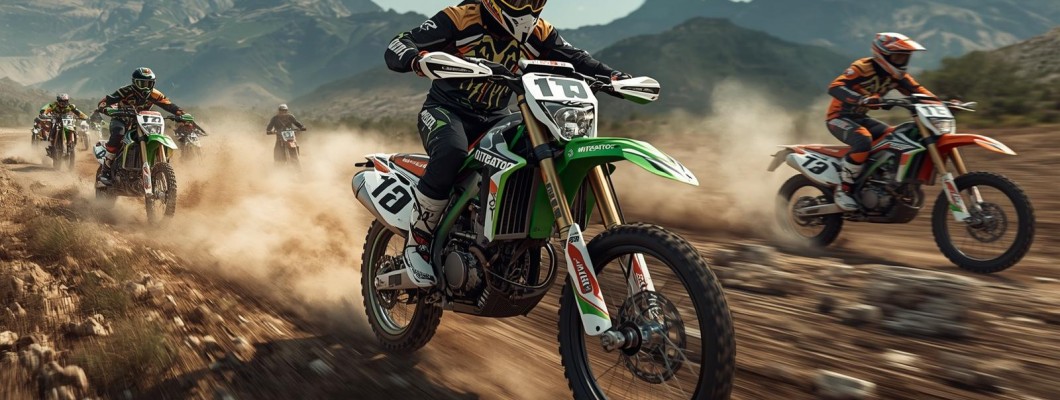
Enduro motorcycles are built to handle demanding terrain, but repeated exposure to rocks, roots, steep climbs and slow technical sections places constant stress on mechanical components. Many failures experienced in enduro riding are not the result of poor riding technique, but rather insufficient protection or weak points in the stock configuration.
Understanding the most common enduro bike failures — and the parts that prevent them — helps riders improve reliability, reduce downtime and maintain consistent performance on challenging trails.
1. Cracked or Damaged Engine Cases
Why It Happens
The engine crankcase sits low and is frequently exposed to direct impacts from rocks, ledges and hard ground contact. Stock protection is often minimal and not designed for repeated heavy impacts.
How to Prevent It
A high-quality skid plate is the most effective solution. Proper skid plates protect:
The crankcase
Frame rails
Lower engine mounts
Water pump housing
Aluminum skid plates with side wings provide the highest level of protection in rocky and technical terrain.
2. Bent or Leaking Radiators
Why It Happens
Radiators are mounted on lightweight brackets and positioned on the sides of the motorcycle. Side falls, brush contact and repeated pressure easily bend the radiator core or brackets.
How to Prevent It
Radiator guards reinforce the radiator structure by adding front and rear support. They maintain alignment and protect against side impacts and debris strikes, ensuring consistent cooling performance.
3. Broken Clutch or Stator Covers
Why It Happens
During sideways falls or rock contact, the engine side covers are often the first point of impact. These covers are thin and prone to cracking under pressure.
How to Prevent It
Cage guards or engine side protectors create a rigid barrier around these vulnerable areas. They absorb impact forces and prevent direct contact with rocks or trail obstacles.
4. Chain Derailment and Drivetrain Damage
Why It Happens
Rough terrain, deep ruts and uneven surfaces cause the chain to move aggressively. Stock chain guides may flex or wear quickly under enduro conditions.
How to Prevent It
Reinforced chain guides stabilize chain movement and keep it properly aligned. They reduce stress on sprockets and prevent derailment during high-torque riding.
5. Bent Rear Brake Disc
Why It Happens
The rear brake disc is exposed and frequently contacts rocks, logs and trail edges. Even minor impacts can bend the disc, affecting braking performance.
How to Prevent It
Rear disc guards shield the disc from side and rear impacts. This ensures consistent braking and protects the braking system in rocky terrain.
6. Loss of Traction and Poor Rider Control
Why It Happens
Stock foot pegs are often narrow and offer limited grip, especially in muddy or wet conditions. This reduces stability when riding in a standing position.
How to Prevent It
CNC-machined foot pegs with wider platforms and aggressive grip profiles significantly improve rider stability, balance and control during technical sections.
7. Overheating in Slow Technical Sections
Why It Happens
Enduro riding often involves low-speed climbs and tight trails where airflow is limited. Without sufficient cooling support, engine temperatures can rise quickly.
How to Prevent It
Cooling fan kits and reinforced radiator systems help maintain stable operating temperatures, especially during prolonged slow-speed riding.
8. Exhaust Damage and Power Loss
Why It Happens
Two-stroke expansion chambers and four-stroke headers are vulnerable to dents from rock strikes. Even small deformations can affect exhaust flow.
How to Prevent It
Exhaust guards protect the pipe structure and preserve consistent power delivery in technical terrain.
9. Loose or Bent Controls
Why It Happens
Repeated impacts and vibrations can loosen handlebars, levers and mounts, reducing precision and rider confidence.
How to Prevent It
Upgraded handlebar mounts, reinforced clamps and proper lever positioning help maintain control accuracy and reduce fatigue.
10. Reduced Reliability Due to Lack of Preventive Setup
Why It Happens
Many failures occur not from extreme crashes, but from riding with insufficient protection in environments that demand reinforcement.
How to Prevent It
A balanced enduro setup that includes skid plates, radiator guards, foot pegs and drivetrain protection dramatically increases reliability and consistency.
Conclusion
Most common enduro bike failures are predictable and preventable. By identifying weak points in the stock configuration and reinforcing them with purpose-built protection parts, riders can significantly improve durability and performance.
Protective components such as skid plates, radiator guards, cage guards and reinforced chain guides allow the motorcycle to withstand repeated impacts and technical challenges. More importantly, they allow the rider to focus on technique, line choice and progression rather than mechanical concerns.
In enduro riding, prevention is not about overbuilding the motorcycle — it is about preparing it correctly for the terrain it was designed to conquer.
Leave a Comment