
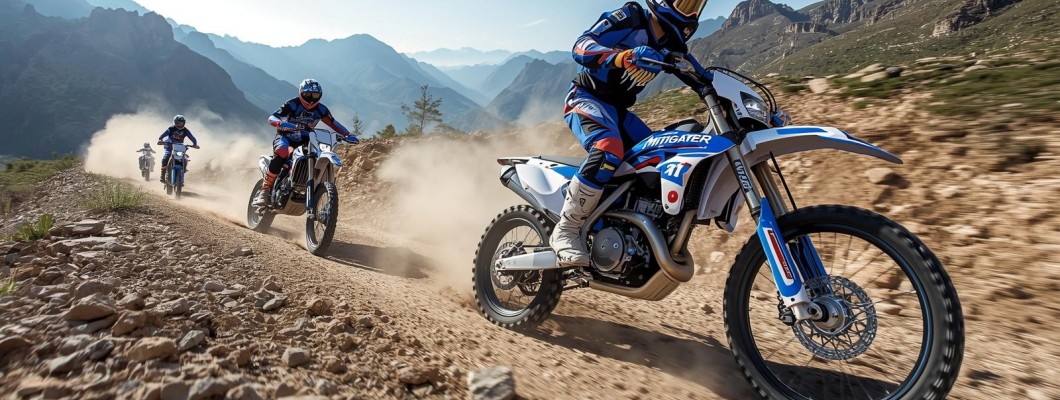
Hard Enduro Bike Maintenance: Protecting Your Bike After Every Ride
Hard enduro riding places extreme stress on a motorcycle.
Even when there is no visible damage, repeated impacts, dirt, and vibration can cause hidden issues that worsen over time.
Post-ride maintenance is not only about cleaning the bike; it is about protecting critical components and preventing future failures.
Why Post-Ride Maintenance Matters in Hard Enduro
Hard enduro bikes are constantly exposed to rocks, mud, water, and repeated impacts.
Without regular inspection and maintenance, small problems can quickly turn into expensive mechanical failures.
Step 1: Inspect the Engine Protection First
The engine area absorbs the most punishment during off-road riding.
What to Check
- Skid plate mounting bolts
- Dents or cracks in the skid plate
- Signs of oil leakage around the engine
Why It Matters
A loose or damaged skid plate can no longer protect the engine effectively.
Early detection prevents serious engine damage on the next ride.
Step 2: Check the Radiator and Cooling System
Cooling issues often develop gradually after impacts.
What to Check
- Radiator alignment
- Bent fins or cracked mounts
- Coolant residue or leaks
Why It Matters
Even a slightly bent radiator can reduce cooling efficiency and cause overheating during long technical rides.
Radiator guards should be inspected to ensure they remain properly aligned and secure.
Step 3: Inspect Side Protection and Mounting Points
Side impacts are common in hard enduro riding.
What to Check
- Cage guards for cracks or deformation
- Engine cover surfaces behind the guards
- Mounting bolts and brackets
Why It Matters
Loose or damaged side protection allows impacts to reach the engine directly.
Cage guards must remain firmly mounted to distribute forces correctly.
Step 4: Check Controls and Rider Contact Points
Rider control components suffer constant stress during hard enduro riding.
What to Check
- Handguards and lever alignment
- Foot peg tightness and grip condition
- Bent or damaged control parts
Why It Matters
A minor control issue can turn into a safety problem during the next ride, especially in technical terrain.
Stable controls reduce fatigue and improve rider confidence.
Step 5: Clean the Bike Without Removing Protection
Cleaning is part of maintenance, but it must be done correctly.
Best Practices
- Avoid high-pressure water directly on bearings
- Clean around protection parts carefully
- Remove mud trapped near skid plates and guards
Why It Matters
Trapped dirt and moisture accelerate wear and corrosion, even on protected components.
Maintenance Checklist After Every Hard Enduro Ride
| Area | Inspection Focus |
|---|---|
| Engine | Oil leaks, skid plate condition |
| Cooling | Radiator alignment, leaks |
| Side protection | Cage guard mounts |
| Controls | Handguards, levers |
| Foot pegs | Grip, tightness |
A consistent checklist prevents long-term damage and keeps the bike reliable.
Final Thoughts
Hard enduro bikes endure extreme conditions on every ride.
Post-ride maintenance ensures that protection parts continue to do their job and that small issues are resolved before they become major failures.
Proper maintenance extends bike lifespan, reduces repair costs, keeps performance consistent, and improves rider safety.
Protection does not end with installation; it continues after every ride.
Explore Enduro Protection Parts at MitigatorShop
Upgrade and maintain your enduro bike with bike-specific protection parts built for extreme riding:
- Skid plates, radiator guards, cage guards, foot pegs, and handguards
- Durable designs tested in real hard enduro conditions
- Secure checkout and fast worldwide shipping
Leave a Comment