
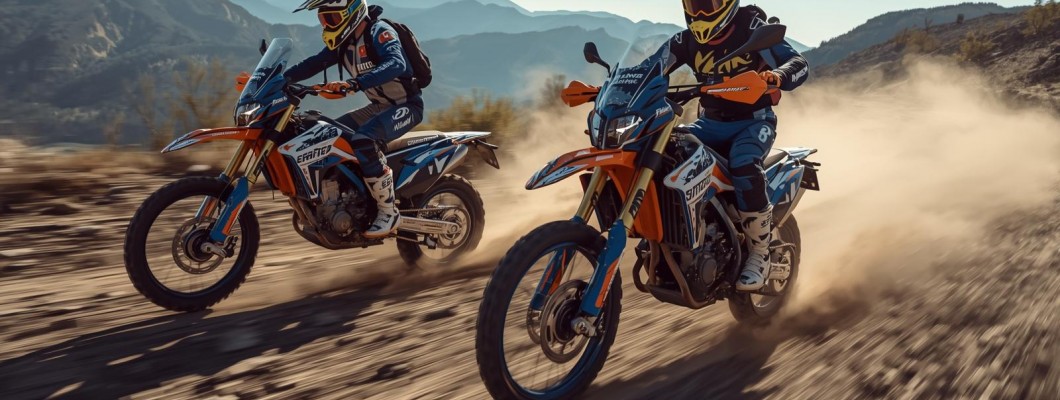
Hard Enduro vs Trail Riding: How Protection Needs Change
Although both hard enduro and trail riding fall under off-road motorcycling, the demands placed on the bike are very different.
Trail riding focuses on flow, endurance, and moderate terrain. Hard enduro is about technical obstacles, repeated impacts, and extreme conditions.
Because of this, protection requirements change significantly depending on riding style.
Understanding the Difference Between Hard Enduro and Trail Riding
While both disciplines take place off-road, the intensity and type of stress placed on the motorcycle vary greatly.
Trail riding generally involves smoother terrain and higher flow, whereas hard enduro focuses on slow-speed technical riding with constant contact between the bike and obstacles.
Trail Riding: Moderate Protection Requirements
Trail riding typically involves:
- Forest paths
- Dirt roads
- Mild rocky sections
- Longer continuous rides
Crashes and impacts are less frequent, but they can still occur.
Essential Protection for Trail Riding
- Basic skid plate
- Radiator guard
- Handguards
These components protect against occasional impacts and minor falls without adding excessive weight to the bike.
Hard Enduro: Maximum Protection Is Mandatory
Hard enduro riding includes:
- Large rocks and ledges
- Steep technical climbs
- Frequent drops and crashes
- Slow-speed, high-impact riding
In these conditions, the motorcycle is under constant threat of damage.
Essential Protection for Hard Enduro
- Reinforced skid plate with full coverage
- Radiator guard with side bracing
- Cage guards for side engine protection
- Full-wrap handguards
- Reinforced wide foot pegs
Minimal protection is not sufficient in hard enduro environments.
Why Protection Needs Increase in Hard Enduro
Hard enduro riding involves:
- Repeated bottoming out
- Side impacts at low speed
- Continuous contact with obstacles
Unlike trail riding, damage in hard enduro often occurs without high speed.
The slow, technical nature of the terrain increases stress on the engine, cooling system, and frame.
Protection parts absorb these forces and prevent ride-ending failures.
Protection Comparison: Trail Riding vs Hard Enduro
| Component | Trail Riding | Hard Enduro |
|---|---|---|
| Skid plate | Basic protection | Reinforced, full coverage |
| Radiator guard | Recommended | Mandatory |
| Cage guards | Optional | Essential |
| Handguards | Recommended | Mandatory |
| Foot pegs | Stock acceptable | Reinforced, wide pegs |
The more technical the terrain, the stronger the protection must be.
Choosing the Right Protection Based on Riding Style
Many riders transition from trail riding to hard enduro over time.
As skill level and terrain difficulty increase, protection must evolve accordingly.
Upgrading protection early:
- Prevents costly damage
- Allows confident progression
- Protects the bike during the learning phase
Protection should always match riding intensity.
Final Thoughts
Trail riding and hard enduro may look similar, but the stress placed on the motorcycle is completely different.
Trail riding allows for lighter protection, while hard enduro demands a fully protected bike.
Understanding this difference helps riders make smarter equipment choices and avoid unnecessary damage.
Matching protection to riding style is essential for both performance and durability.
Explore Enduro Protection Parts at MitigatorShop
Find bike-specific protection parts designed for both trail riding and hard enduro:
- Skid plates, radiator guards, cage guards, foot pegs, and handguards
- Options for different riding styles and terrain
- Secure checkout and fast worldwide shipping
Leave a Comment