
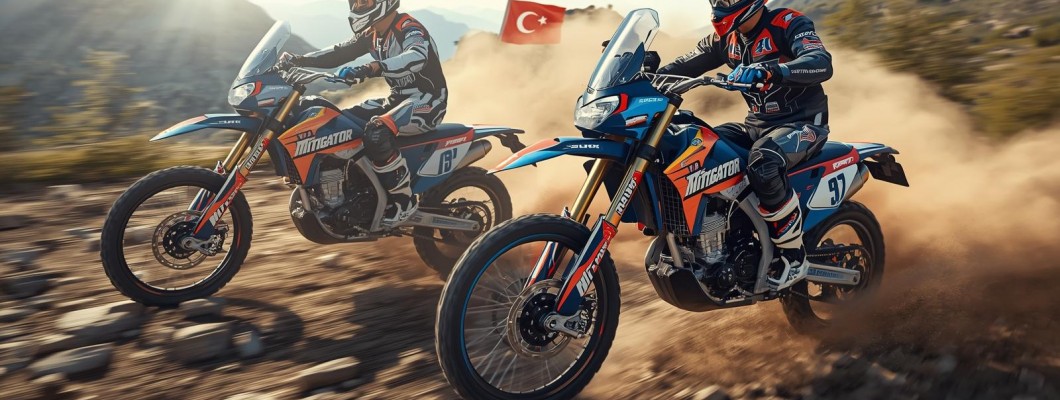
Hard Enduro Protection Checklist Before Every Ride
Hard enduro riding leaves no margin for error.
A small issue overlooked before the ride can quickly turn into a ride-ending failure on the trail.
A short protection-focused checklist before every ride helps prevent expensive damage, reduces the chance of mechanical failure, increases rider confidence, and keeps the bike reliable in extreme terrain.
This inspection takes only a few minutes but can save an entire riding day.
Why a Pre-Ride Protection Checklist Matters
Hard enduro bikes are exposed to constant impacts, vibration, and stress.
Checking protection parts before riding ensures that they are ready to absorb impacts instead of allowing damage to reach critical components.
1. Skid Plate and Engine Bottom Protection
The skid plate absorbs the most abuse in hard enduro riding.
What to Check
- Mounting bolts tight and secure
- No cracks or severe deformation
- Full coverage of engine and frame rails
Why It Matters
A loose or damaged skid plate cannot protect the engine properly.
Even one missing bolt can allow direct engine contact with rocks.
2. Radiator and Cooling Protection
Radiator damage often shows symptoms only after the engine heats up.
What to Check
- Radiator guard alignment
- No contact between radiator and frame
- No coolant residue or moisture
Why It Matters
A compromised radiator can overheat the engine far from assistance.
Proper protection keeps cooling performance consistent throughout the ride.
3. Side Engine Protection (Cage Guards)
Side impacts are common in slow, technical sections.
What to Check
- Cage guard mounts tight
- No cracks or sharp deformation
- Clearance between guard and engine covers
Why It Matters
Loose side protection transfers impact directly to engine covers instead of absorbing it.
4. Handguards and Controls
Controls must remain functional after a fall.
What to Check
- Handguards firmly mounted
- Levers moving freely
- No binding or bending
Why It Matters
A broken clutch or brake lever can instantly end a ride, especially in remote terrain.
5. Foot Pegs and Rider Stability
Foot pegs are critical for balance and control.
What to Check
- Foot pegs tight on mounts
- Grip teeth not worn or rounded
- Springs functioning correctly
Why It Matters
Loose or slippery foot pegs reduce control and increase fatigue in technical sections.
Quick Pre-Ride Protection Checklist
| Component | Check |
|---|---|
| Skid plate | Bolts tight, no cracks |
| Radiator guard | Alignment, no leaks |
| Cage guards | Secure mounts |
| Handguards | Lever protection |
| Foot pegs | Grip and tightness |
Running through this list before every ride significantly reduces risk.
When to Replace or Upgrade Protection Parts
Protection parts are designed to take damage so your bike does not have to.
Replace or upgrade components if you notice:
- Deep dents that affect fitment
- Repeated loosening after impacts
- Reduced coverage or deformation
Worn protection is better than none, but fresh protection performs best.
Final Thoughts
Hard enduro riding rewards preparation.
A simple pre-ride protection checklist prevents small issues from becoming major failures.
Riders who consistently inspect their protection parts finish more rides, spend less on repairs, and ride with greater confidence.
Preparation is part of performance.
Explore Enduro Protection Parts at MitigatorShop
Ensure your bike is always ready with bike-specific hard enduro protection parts:
Shop Hard Enduro Protection Parts
- Skid plates, radiator guards, cage guards, foot pegs, and handguards
- Durable designs built for repeated impacts
- Secure checkout and fast worldwide shipping
Leave a Comment